For learners: explain a connectivity failure
Build a small routed path, establish connectivity, and introduce one addressing or routing fault. Ask the learner to state a hypothesis before changing the configuration. The deliverable is a diagnosis supported by interface, route, and connectivity observations.
A good review asks why a check failed, what alternative explanations were ruled out, and whether the original behavior returned after the fix. It does not equate memorizing a command sequence with understanding the network.
For engineers: investigate a design assumption
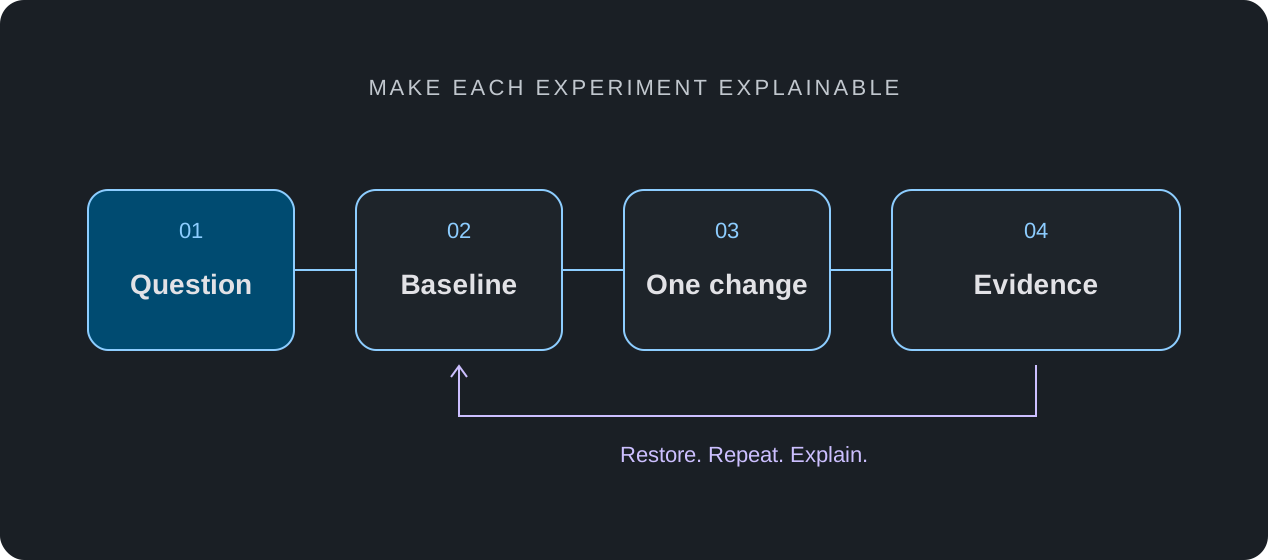
Choose a narrow design assumption, such as whether the return path remains reachable after a routing change. List the supported behavior required by the test and simplify the topology around that question. Record the baseline, the change, and what the observed result establishes.
Treat this as functional investigation within a model. Performance, exact appliance behavior, and operational deployment conditions need their own evidence. A successful simulation should make the remaining questions more explicit.
For instructors: assess an observable skill
Specify a starting state and a clear skill: identify a fault, implement a correction, and explain why it works. A simple rubric can assess diagnosis, configuration, verification, and explanation separately. Include the evidence a learner must submit and how unsupported behavior should be reported.
Confirm the selected content and account entitlements before promising a course workflow. Marketplace materials, tutorial progress, and examinations depend on available published content and access. These exercise suggestions are not claims of automatic grading for arbitrary custom labs or external certification.
For IoT study: follow a message through the topology
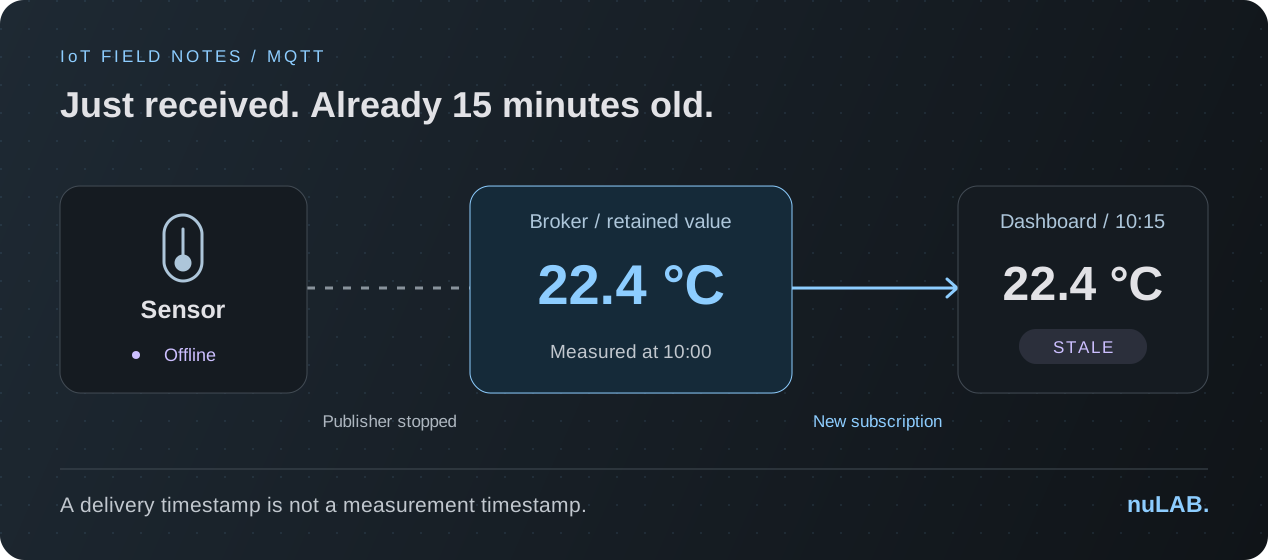
Where the selected profiles and plan support the scenario, use a sensor, a broker, and a subscriber to explore a simple message flow. Define the topic and sample payload first. Record what the publisher sends and what the subscriber receives, then alter one setting or connection and observe the difference.
Separate simulated message behavior from physical sensor accuracy, radio conditions, battery life, and industrial safety. Those require evidence from an appropriate environment. Do not infer them from a successful message exchange.
- Define one message and the intended recipient.
- Confirm connectivity and the supported messaging configuration.
- Record the actual received value before and after one deliberate change.
- Explain what was modeled and what requires physical testing.
Keep the same evidence format across exercises
Use a consistent record: objective, topology, environment version, starting configuration, expected result, actual observations, restoration, and limitations. This makes an exercise easier to review and repeat without implying that every environment supports identical behavior.