THE nuLAB RESOURCE LIBRARY
Stay curious.
Keep building.
Practical guides and exercises for learning, testing, and explaining network behavior.
FEATURED GUIDE · 5 min read
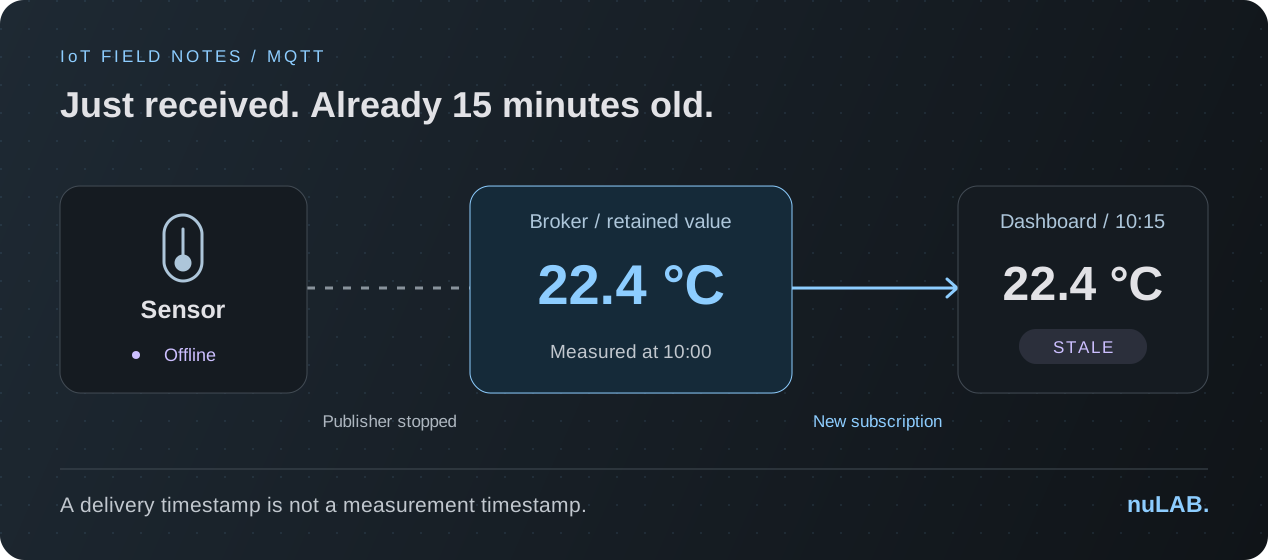
MQTT Retained Messages: Why Your IoT Data Looks Live
A temperature of 22.4 °C looks reassuring. Until you ask when it was measured. This small MQTT mystery reveals an important IoT design habit: make the age of a reading as visible as the reading itself.
Read the guide7 resources to explore
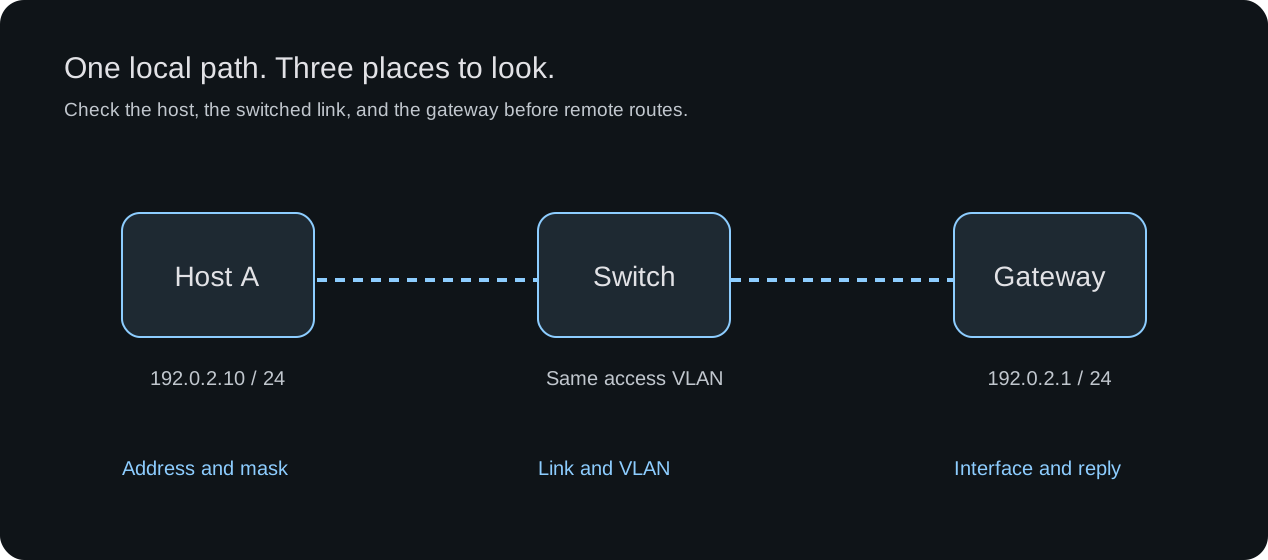
Can’t Ping Your Gateway? A Troubleshooting Checklist
Start with one host, one switch, and the gateway’s local interface. A small, controlled test makes a failed ping much easier to explain.
Read articleMQTT Retained Messages: Why Your IoT Data Looks Live
A temperature of 22.4 °C looks reassuring. Until you ask when it was measured. This small MQTT mystery reveals an important IoT design habit: make the age of a reading as visible as the reading itself.
Read article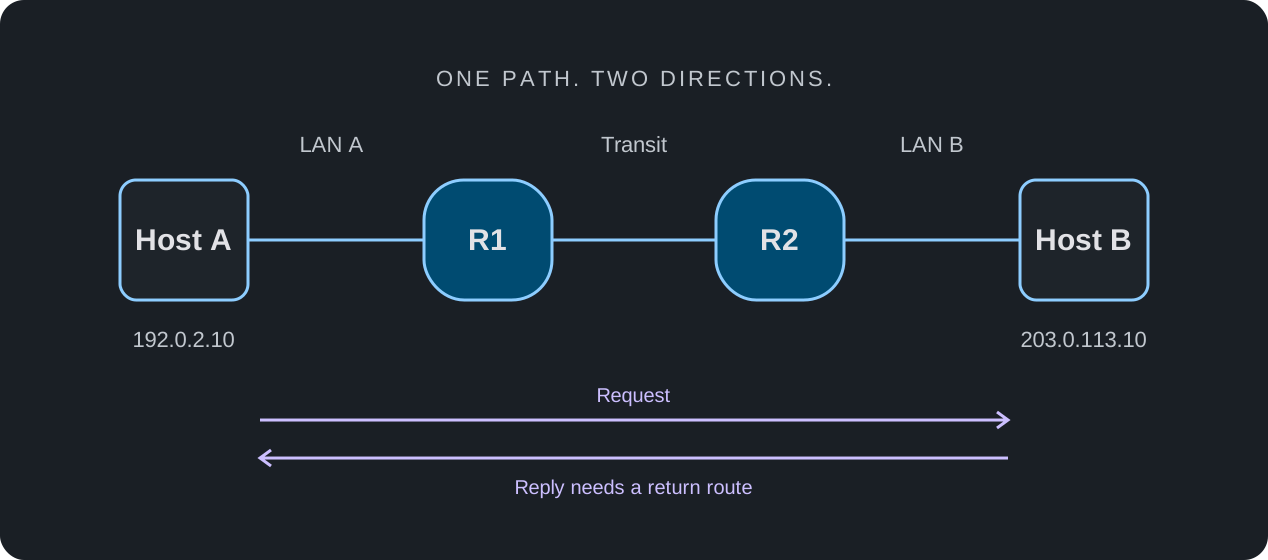
A Repeatable Routing and Connectivity Validation Workflow
A useful routing test has a starting state, one deliberate change, and a result you can explain. This small exercise separates a forward path from a return path without turning a successful ping into a production-readiness claim.
Read article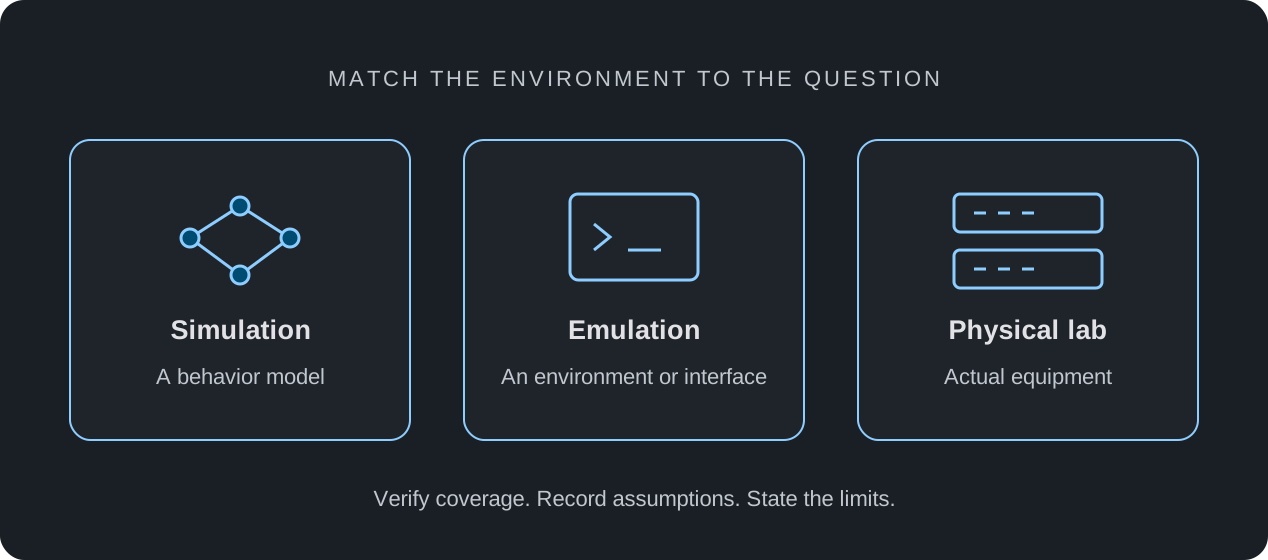
Network Simulation vs. Emulation: Choose the Right Lab
Simulation models selected behavior. Emulation reproduces an environment or interface for another system. Both can help with network experiments, but neither label alone tells you which commands, protocols, or hardware effects a lab reproduces.
Read article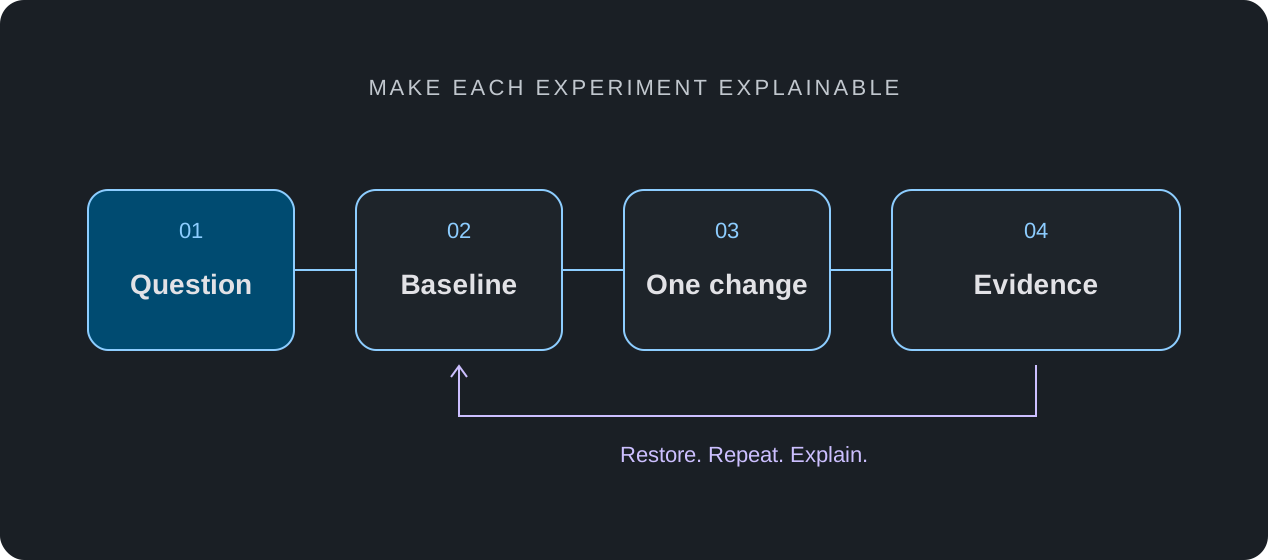
Network Labs for Learning, Testing & Design Validation
A lab is useful when it helps you answer a specific question. Connect topology building, configuration practice, and observed results into an experiment you can explain and repeat.
Read articleOnline Network Labs vs. Physical Hardware Labs
Online labs and physical equipment answer different questions. Choose an environment around the exercise, its required features, and the evidence you need to collect.
Read articleNetwork Lab Exercises for Learning and Technical Review
A useful lab produces something you can inspect: a configuration, a diagnosis, an explanation, or a test record. These exercise ideas show how to define that outcome before you start.
Read article